
- Your cart is empty
- Continue Shopping



Aripiprazole Injection 400mg in Kenya: Uses, Benefits, Side Effects & Safety Guide (2026)
- Uncategorized
- Posted on
-
by admin
- 0 comments

Aripiprazole in Kenya: Mental health awareness in Kenya has grown significantly in recent years, leading to increased access to modern treatments. One such medication is Aripiprazole, a widely prescribed drug used to manage various psychiatric conditions.
Marketed globally by Otsuka Pharmaceutical under brand names such as Abilify, Abilify Maintena, and Abilify Asimtufii, this medication has become a cornerstone in the treatment of disorders like schizophrenia and bipolar disorder.
This comprehensive guide explains everything you need to know about Aripiprazole, including how it works, its approved uses, benefits, side effects, and important safety considerations.
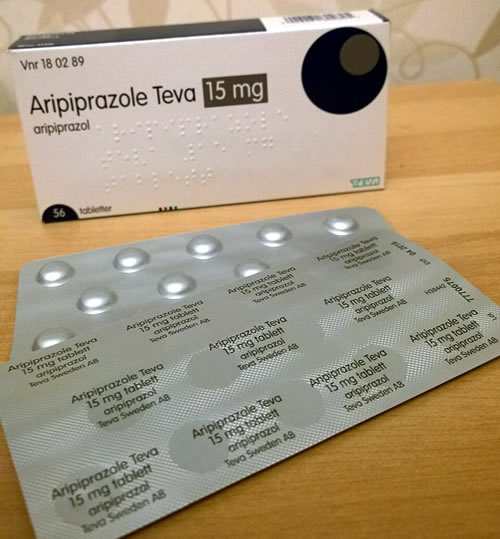
What Is Aripiprazole and How Does It Work?
Aripiprazole belongs to a class of drugs known as atypical antipsychotics. It works differently from many traditional medications by acting as a partial agonist at dopamine and serotonin receptors.
Instead of simply blocking brain chemicals, Aripiprazole in Kenya helps stabilize them. This means:
- It reduces excessive dopamine activity (linked to psychosis)
- It enhances dopamine activity where levels are too low
- It balances serotonin levels to improve mood and behavior
This unique mechanism makes Aripiprazole in Kenya effective across a wide range of mental health conditions.
Primary Uses of Aripiprazole in Kenya
The use of Aripiprazole in Kenya is based on internationally approved medical guidelines. It is prescribed in different forms, including tablets and long-acting injections.
1. Schizophrenia
Aripiprazole in Kenya is commonly used to treat schizophrenia in both adults and adolescents (13–17 years). It helps manage:
- Hallucinations
- Delusions
- Disorganized thinking
By stabilizing brain activity, it allows patients to regain clarity and function better in daily life.
2. Bipolar I Disorder
Another key use of Aripiprazole is in treating bipolar disorder. It helps:
- Control manic or mixed episodes
- Maintain long-term mood stability
It is approved for both adults and children aged 10–17 years.
3. Major Depressive Disorder (MDD)
In cases of depression that do not respond well to standard antidepressants, Aripiprazole may be used as an add-on treatment.
This combination approach can significantly improve mood and reduce persistent symptoms.
4. Autism-Related Irritability
Aripiprazole in Kenya is also used in children aged 6–17 years with autism to manage:
- Irritability
- Aggression
- Mood swings
This helps improve social interaction and behavior.
5. Tourette’s Disorder
For children and adolescents with Tourette’s syndrome, Aripiprazole in Kenya reduces:
- Motor tics
- Vocal tics
This leads to improved confidence and quality of life.
6. Agitation in Psychiatric Conditions
Short-acting injectable forms of Aripiprazole in Kenya are used in hospitals to manage agitation linked to:
- Schizophrenia
- Bipolar mania
Key Benefits of Aripiprazole in Kenya
1. Long-Acting Injectable Options
One major advantage of Aripiprazole is the availability of long-acting injectables like Abilify Maintena and Abilify Asimtufii.
These:
- Provide consistent medication levels
- Reduce the need for daily pills
- Lower the risk of relapse
This is particularly beneficial for patients who struggle with medication adherence.
2. Lower Risk of Weight Gain
Compared to many other antipsychotics, Aripiprazole is associated with:
- Minimal weight gain
- Lower risk of increased cholesterol
- Reduced impact on blood sugar levels
This makes it a preferred option for long-term treatment.
3. Effective for Long-Term Stability
Clinical studies show that Aripiprazole is effective in preventing relapse and maintaining stability in patients with chronic conditions.
4. Flexible Treatment Options
Patients in Kenya can access Aripiprazole in various forms:
- Tablets
- Orally disintegrating tablets (easy to take)
- Oral solutions
- Long-acting injections
This flexibility supports personalized treatment plans.
Common Side Effects of Aripiprazole in Kenya
While generally well tolerated, Aripiprazole may cause some side effects.
Most Common Side Effects
- Restlessness (akathisia)
- Insomnia
- Anxiety
- Headache
- Nausea
- Constipation
- Weight changes
- Injection site pain (for injectables)
Most of these side effects are mild and improve over time. However, monitoring is important.
Important Safety Information
1. Use in Elderly Patients
⚠️ Aripiprazole in Kenya is not approved for elderly patients with dementia-related psychosis due to an increased risk of death.
2. Risk of Suicidal Thoughts
Like many psychiatric medications, Aripiprazole may increase suicidal thoughts in:
- Children
- Adolescents
- Young adults
This risk is highest during the first few months of treatment. Close monitoring is essential.
3. Impulse Control Issues
Some patients using Aripiprazole in Kenya have reported:
- Gambling urges
- Compulsive shopping
- Binge eating
If these behaviors occur, medical advice should be sought immediately.
Availability and Access in Kenya
In major cities like Nairobi, Aripiprazole is available in:
- Hospitals
- Licensed pharmacies
- Specialized mental health clinics
However, due to its specialized nature, it is typically dispensed with a doctor’s prescription.
How to Use Aripiprazole Safely
To get the best results from Aripiprazole, follow these guidelines:
- Take medication exactly as prescribed
- Do not stop suddenly without medical advice
- Attend regular follow-up appointments
- Report any unusual side effects immediately
Consistency is key to achieving stable mental health outcomes.
The Role of Aripiprazole in Mental Health Care in Kenya
Mental health treatment in Kenya continues to evolve, and medications like Aripiprazole are playing a vital role.
They help:
- Reduce stigma by enabling better functioning
- Improve quality of life
- Support long-term recovery
As awareness increases, more people are seeking help and benefiting from effective treatments.
Aripiprazole is a powerful and versatile medication used to treat a wide range of mental health conditions, from schizophrenia and bipolar disorder to depression and autism-related irritability.
Its unique mechanism, flexible dosing options, and relatively lower risk of metabolic side effects make it a valuable treatment choice for many patients.
However, like all medications, it must be used responsibly under medical supervision. Understanding its benefits, side effects, and safety considerations ensures better outcomes and improved quality of life.
